Longhorn is a robust distributed block storage solution for Kubernetes. It offers built‑in capabilities like disaster recovery (DR) volumes, snapshots, and backups. But occasionally, these…
Linux cheat sheet
Longhorn is a robust distributed block storage solution for Kubernetes. It offers built‑in capabilities like disaster recovery (DR) volumes, snapshots, and backups. But occasionally, these…
In this blog post, I’ll walk you through the process of recovering a Kubernetes cluster after losing two out of three control plane nodes. This…
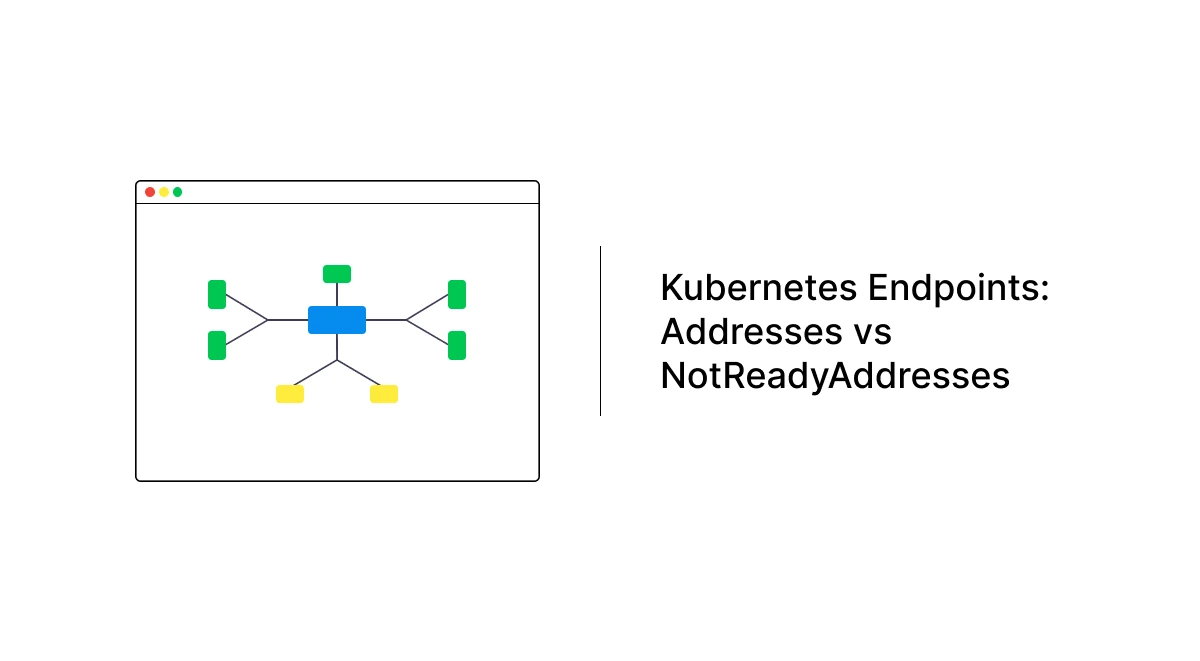
When working with Kubernetes, you may have encountered Endpoints resources, which define how traffic is routed to pods selected by a service. Within these resources,…
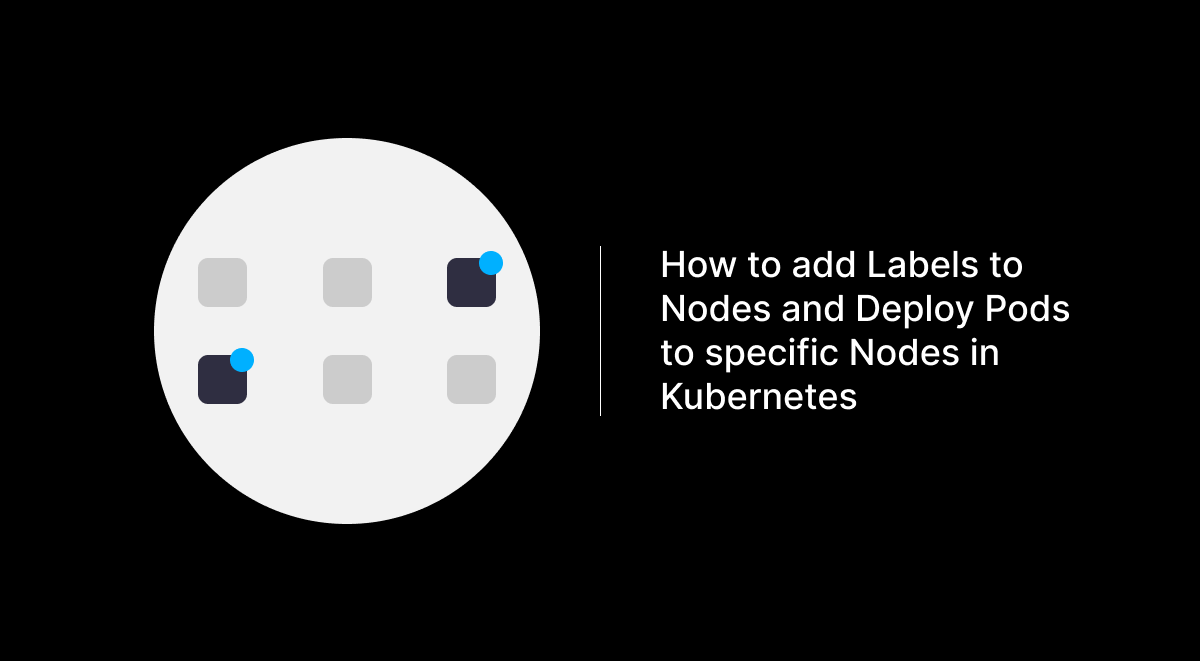
In Kubernetes, node labels are a powerful feature that allows you to organize and categorize your nodes based on their attributes. By using node labels,…
Setting up a Kubernetes cluster on Debian 12 involves multiple steps, from configuring hostnames to installing necessary tools. Below is a comprehensive guide to help…
Immutable systems, such as Fedora CoreOS, are designed for minimal changes and higher reliability. Fedora CoreOS is a Linux distribution optimized for containerized workloads, providing…
Kubernetes has become the de facto standard for container orchestration, providing robust and scalable solutions for managing containerized applications. As the Kubernetes ecosystem evolves, it…
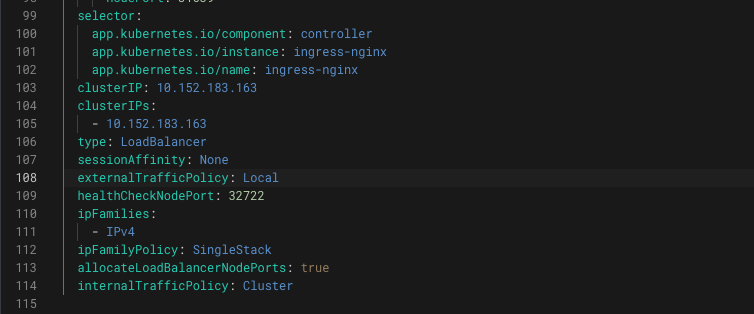
The difference between setting the value of “Cluster” and “Local” in Kubernetes lies in the load balancing mechanism. From official doc Due to the implementation…
1. Brief summary I decided to deploy new ELK server in kubernetes. Installation was with the help of Helm using some custom values.yaml. As a…
Helm provides a quick way of setting up a Redis cluster using a pre-made Helm chart. 1. Add the Helm repository containing the Redis chart you wish…