Longhorn is a robust distributed block storage solution for Kubernetes. It offers built‑in capabilities like disaster recovery (DR) volumes, snapshots, and backups. But occasionally, these…
Linux cheat sheet
Longhorn is a robust distributed block storage solution for Kubernetes. It offers built‑in capabilities like disaster recovery (DR) volumes, snapshots, and backups. But occasionally, these…
FreeBSD jails are a lightweight, secure way to isolate processes and services, similar to Linux containers but older and natively integrated into the FreeBSD kernel. With jails,…
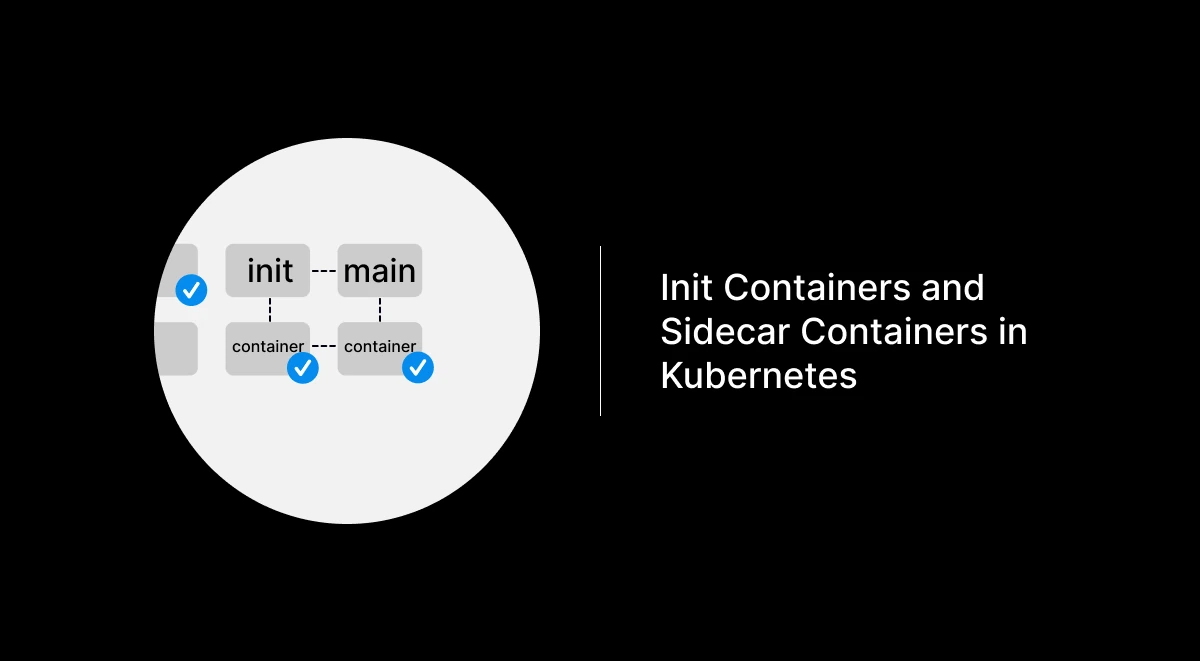
Init Containers and Sidecar Containers stand out as essential components for customizing pod behavior. In this blog post, we’ll explore what these containers are, when…
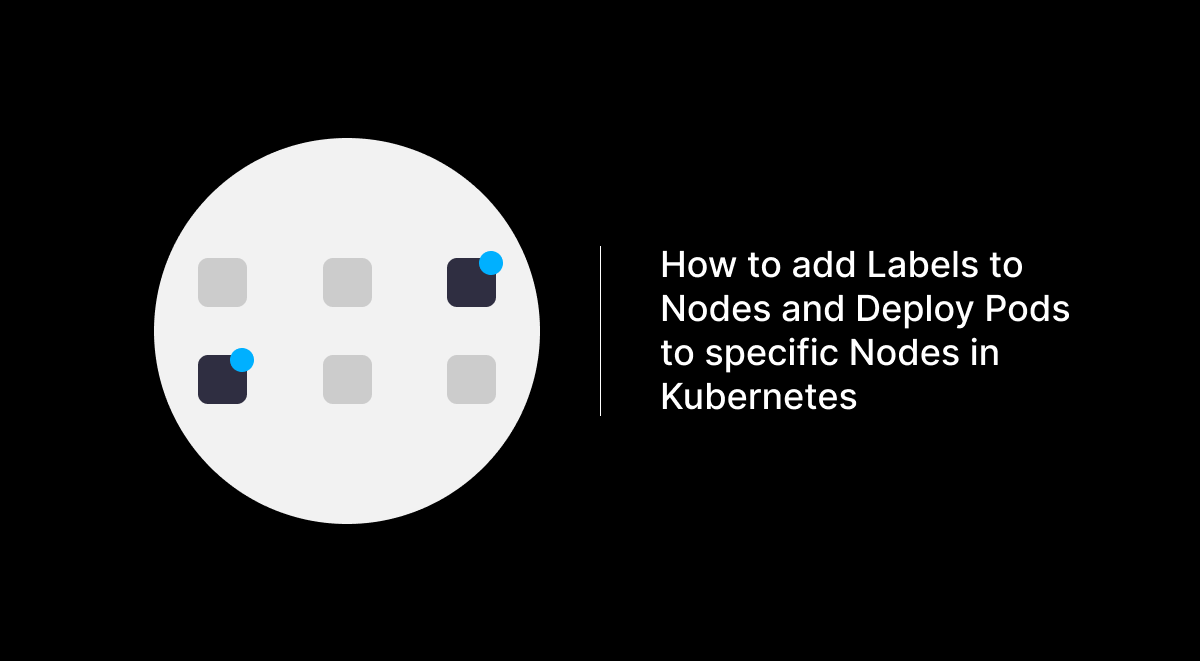
In Kubernetes, node labels are a powerful feature that allows you to organize and categorize your nodes based on their attributes. By using node labels,…
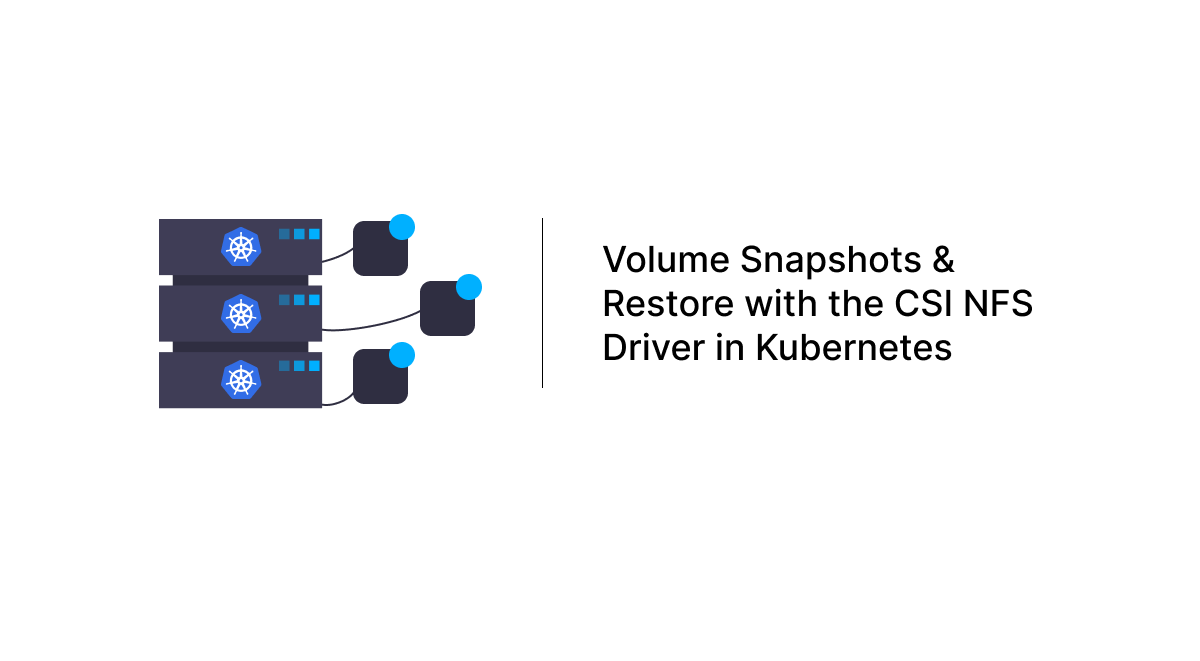
Managing persistent storage in Kubernetes is crucial for stateful applications. The CSI (Container Storage Interface) NFS driver allows Kubernetes to utilize NFS (Network File System)…
In the evolving landscape of containerization, Docker has emerged as an essential tool for developers seeking streamlined application deployment. Among the recent advancements in this…
Debugging applications running in Kubernetes can be challenging, but enabling SSH access to your containers can significantly simplify the process. This guide walks you through…
Kubernetes, the popular container orchestration platform, offers a robust and scalable environment for deploying, managing, and scaling containerized applications. However, as with any complex system,…
Kubernetes continues to grow in popularity, leading to an increased deployment of clusters in production environments. Amidst this surge, security considerations sometimes take a backseat.…
In today’s dynamic IT landscape, effective database monitoring is a cornerstone of maintaining optimal performance, preemptively identifying issues, and ensuring overall system health. Prometheus, an…